CUSTOM KIT ASSEMBLY & B2B SUPPLY

Custom GLP-1 Injection Kits & Kit Assembly for B2B Programs

Configure injection-support kits around an approved delivery-system requirement and a controlled bill of materials. Tonmit supports component review, BOM development, packaging and labeling coordination, assembly planning, documentation review and recurring supply for qualified pharmacy, clinic and distributor programs.

Controlled BOM Custom Packaging Assembly & QC Review Repeat Replenishment

Injection-support supplies only. Prescription medication or drug product is not treated as a default kit component on this page.

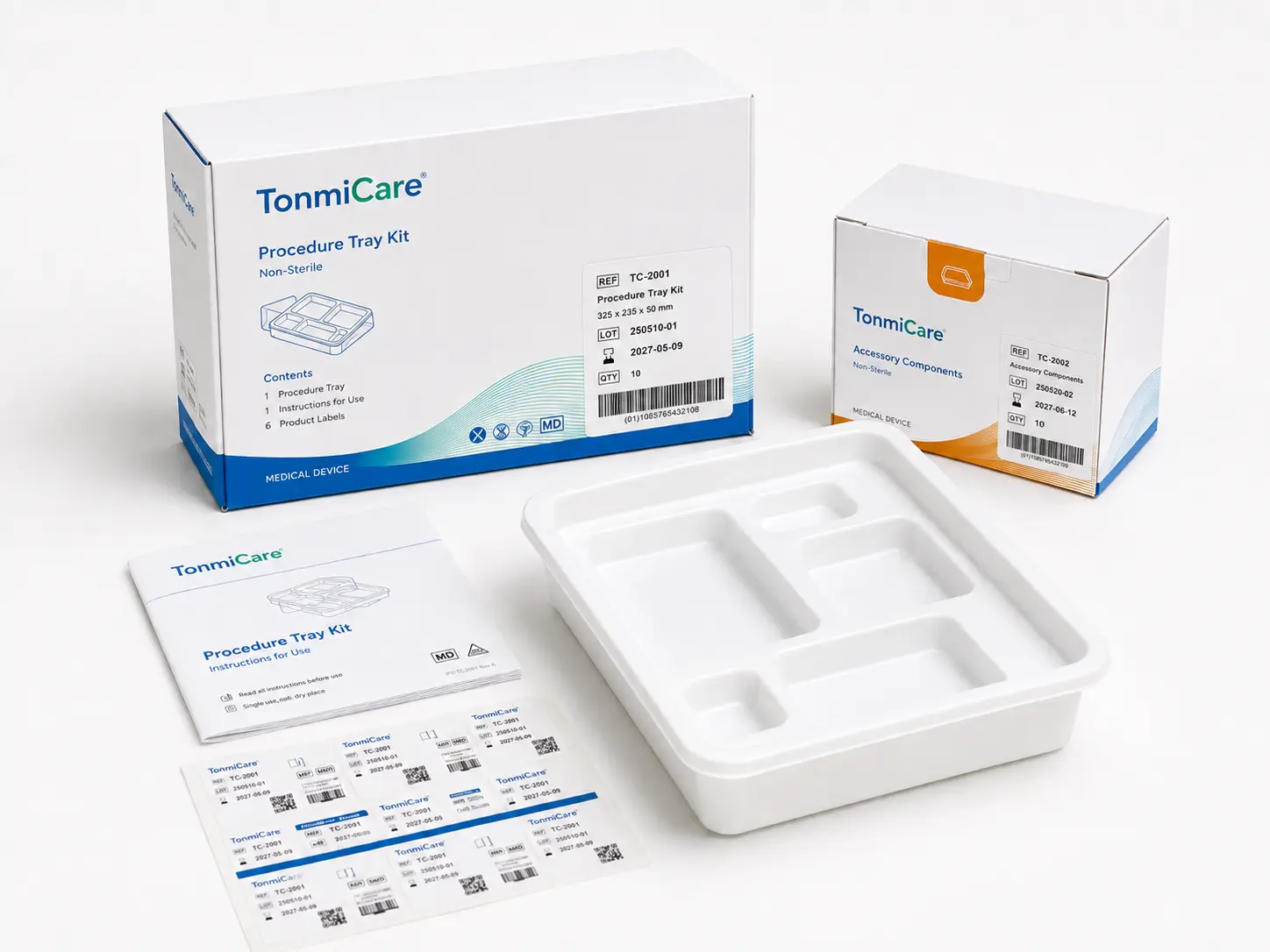
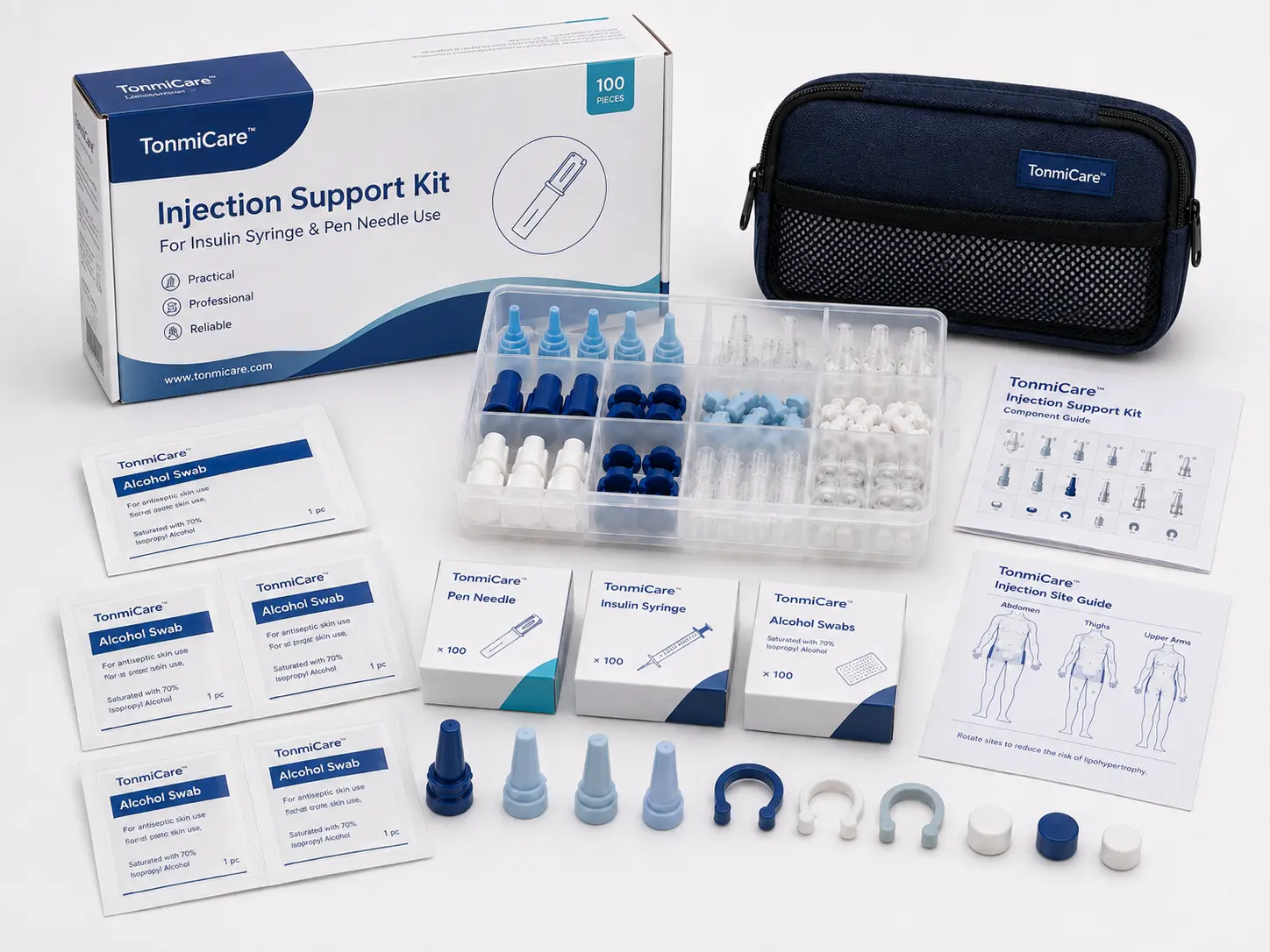
Representative Tonmit injection support kit configuration with organized components and custom packaging
Representative kit configuration. Final components, packaging, quantities and labeling are controlled by the approved project BOM.
KIT SCOPE Custom B2B Assembly

Built around an approved project brief

PRIMARY CONTROL Controlled BOM

Exact component SKU and units per kit

PACKAGING Project-Specific

Box · tray · pouch · insert · labels

COMMERCIAL TERMS Confirmed by RFQ

MOQ, lead time, case pack and availability

Need individual GLP-1 injection supplies rather than an assembled kit? Review Tonmit’s broader program for component-level sourcing, documentation and replenishment.

Review Broader GLP-1 Supply Program
CONTROLLED KIT CONFIGURATION

Build the Kit From the Delivery System and BOM Outward

Do not begin with a generic “GLP-1 starter kit” checklist. Start with the approved presentation or delivery-system requirement, identify only the ancillary items required by the program, then freeze each component, quantity, packaging rule and substitution condition in the BOM.

PROCUREMENT CONTROL MATRIX

Component BOM & RFQ Fields

Prescription medication or drug product is not treated as a default kit component. Medication-related or drug-device combination projects require a separately defined scope and applicable sourcing, handling and documentation review.

Component BOM and procurement control fields for custom injection kit assembly
Kit Element Potential Configuration Primary Procurement Control
Delivery-System ReviewPen requiring an external needle, integrated injector, vial-based workflow or other approved presentationConfirm the exact product presentation and current instructions before selecting ancillary injection supplies
Pen Needle / SyringeIncluded only when required by the selected delivery workflowExact SKU, gauge, length, capacity / scale where applicable, compatibility, sterile barrier and pack count
Alcohol Prep PadSelected individually wrapped pad optionsExact labeled concentration, pad material / dimensions, sterile status if claimed, pouch and units per box
Bandage / Adhesive ItemOptional standard or project-specific formatSize, material, adhesive, sterile status if applicable, individual packaging and quantity
Sharps DisposalSelected compact or point-of-use container formatCapacity, opening, closure, label / waste stream, fill control and exact container SKU
Kit PackagingBox, tray, insert, pouch, instruction card or label setApproved BOM, component positions, artwork, labeling, lot / expiry treatment where applicable and pack hierarchy
Commercial ConfigurationPre-assembled kit, component bundle or bulk component supplyMOQ, units/kit, kits/case, lead time, substitution rules and replenishment schedule
DocumentationComponent-specific product and packaging recordsMatch documentation to the exact manufacturer, SKU, label version, target market and transaction
i
There is no universal GLP-1 injection kit for every delivery system.

Some injectable products use an external pen needle, while other presentations use an integrated needle or follow a different supply workflow. The RFQ should begin with the exact program-approved presentation rather than assuming the same needle, syringe or accessory set for every project.

Delivery system Exact component SKUs Controlled BOM + packaging Case pack + replenishment
CONFIGURABLE COMPONENTS

Component Categories for a Controlled Kit BOM

The categories below are procurement options, not a fixed kit recipe. Each selected item must be tied to a defined purpose, exact SKU, quantity per kit, pack hierarchy and approved substitution rule.

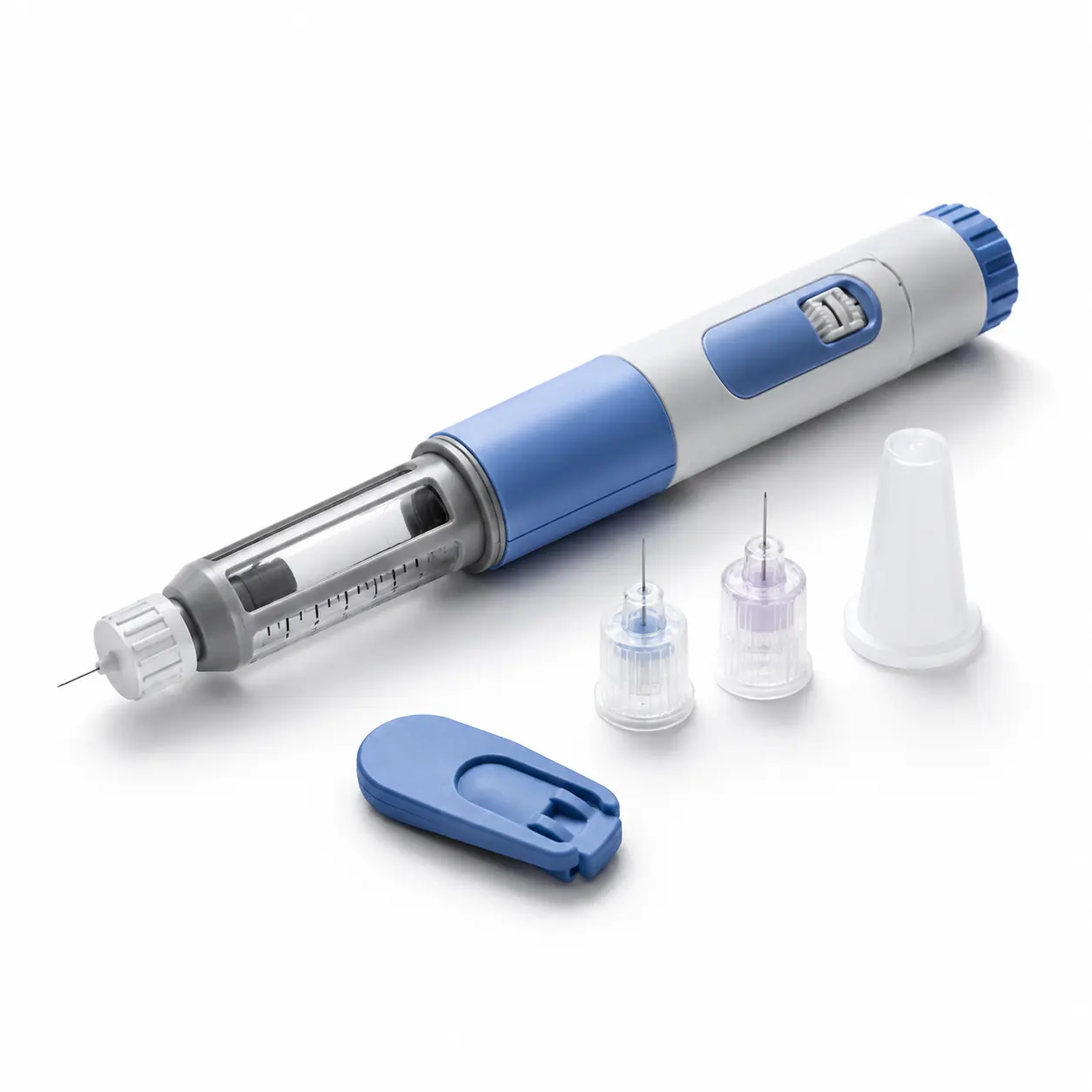
Injection delivery device and needle components used to illustrate delivery-system review
01 / DELIVERY SYSTEM

Injection Device & Needle Requirement

Confirm whether the selected presentation requires an external pen needle, syringe or no separate needle at all. Do not infer compatibility from appearance or the GLP-1 category alone.

Review Supply Checklist →
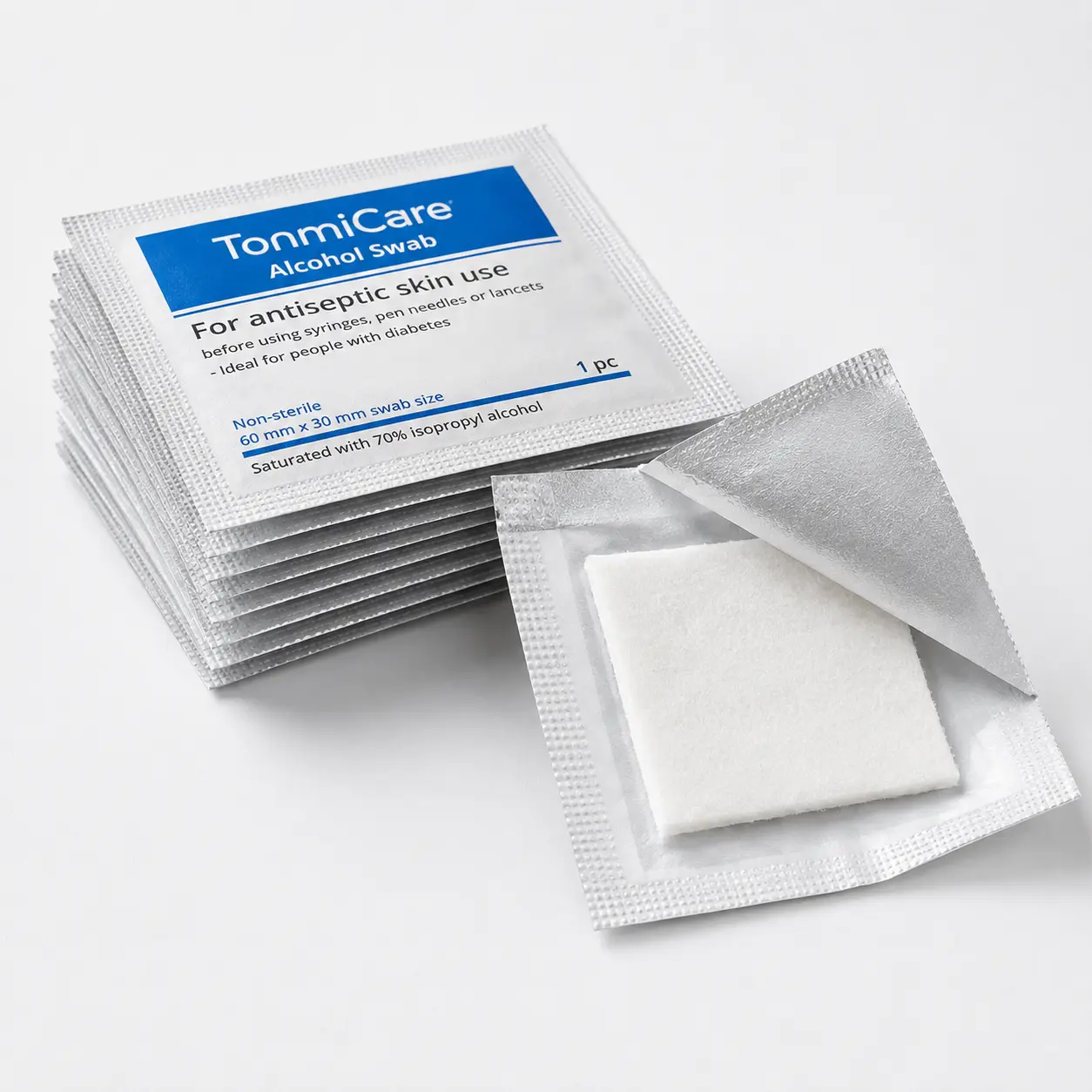
Individually wrapped alcohol prep pads for injection-support kit procurement
02 / PREPARATION SUPPLY

Alcohol Prep Pads

Review labeled concentration, pad size and material, pouch integrity, sterile / nonsterile status where applicable, shelf life and box / case hierarchy for the exact selected SKU.

View Alcohol Prep Pads →
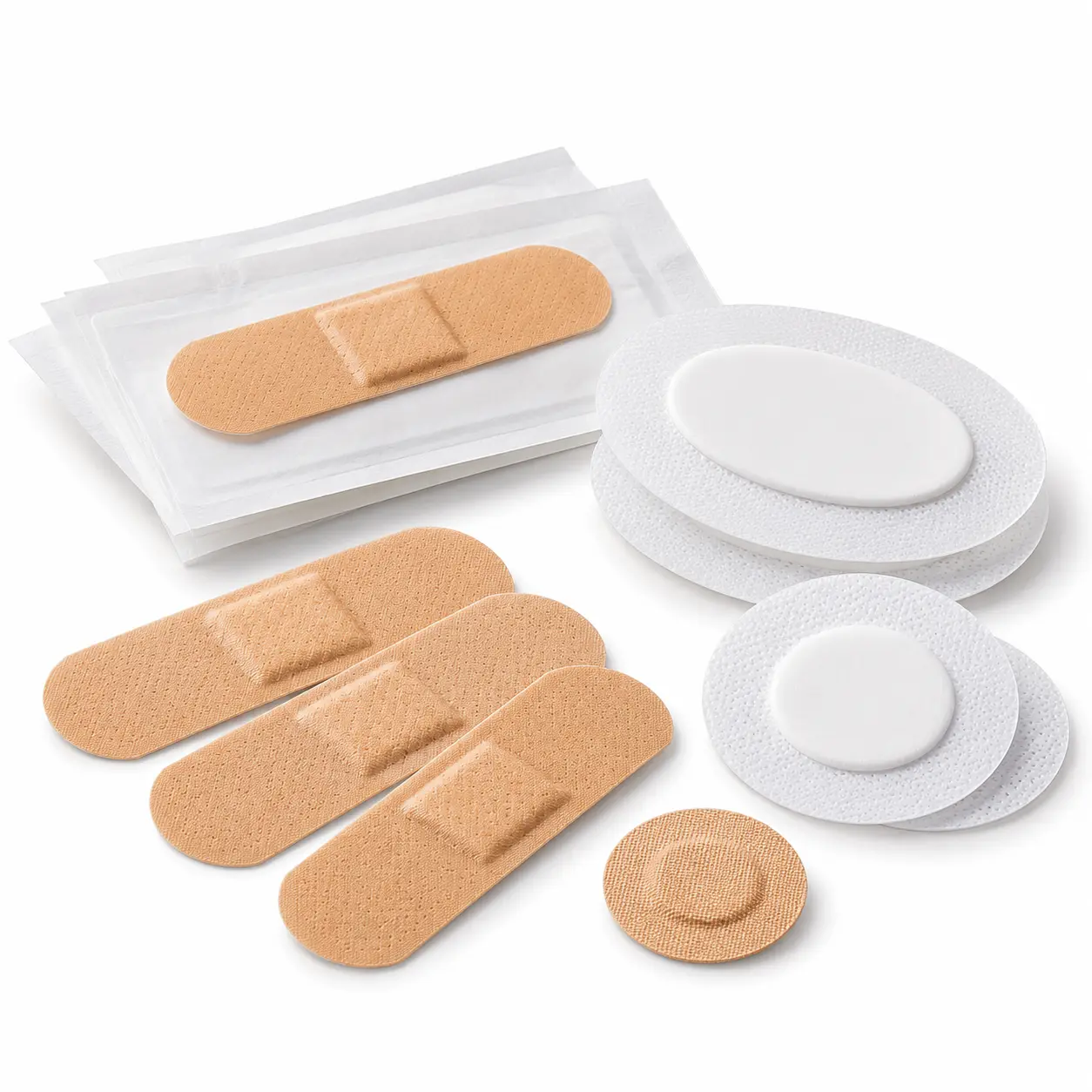
Adhesive bandages and patches shown as optional injection kit components
03 / OPTIONAL CARE ITEM

Bandages & Adhesive Items

These are optional kit components rather than universal injection requirements. Confirm the required format, dimensions, material, packaging and labeling according to the project specification.

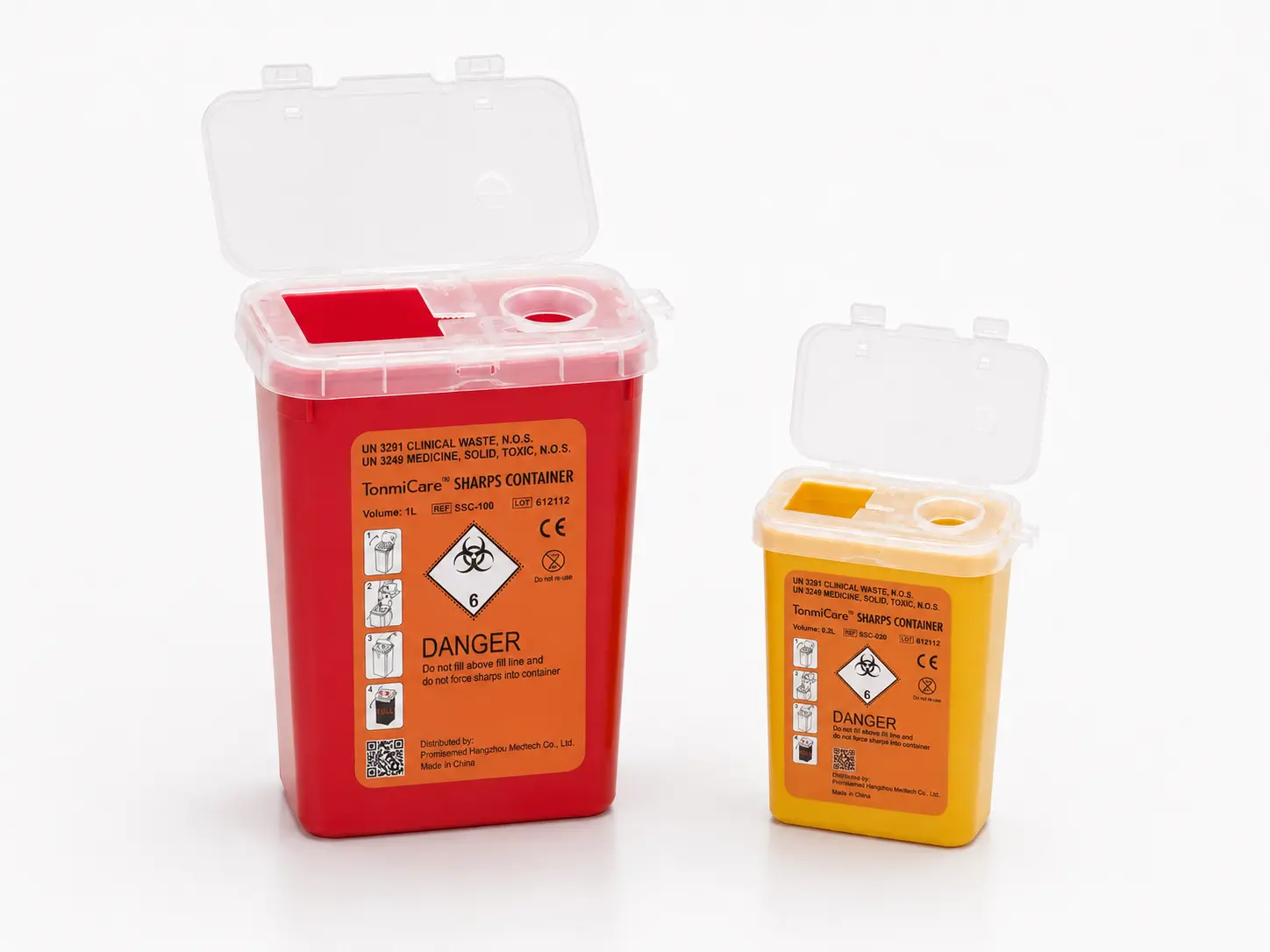
Red sharps disposal container and accessory parts for injection-support programs
04 / SHARPS DISPOSAL

Sharps Container Options

Match the container to the complete post-use sharp, opening, closure, fill line, label / waste stream and use setting rather than adding a generic container solely by nominal capacity.

View Sharps Containers →
Medical kit packaging options with carton, tray, labels and insert materials
05 / KIT ASSEMBLY

Packaging, Tray & Label Options

Configure the box, tray, component positions, instruction material, outer labels and carton hierarchy after the controlled BOM and pack quantities are approved.

Packaging & Labeling →
Assorted injection-support accessories and packaged supplies for custom kit planning
06 / PROGRAM ACCESSORIES

Related Injection-Support Accessories

Additional items can be reviewed when they have a defined role in the program. Keep conditional products outside the approved core BOM until their SKU, purpose, quantity and packaging are confirmed.

View Diabetes Accessories →
CONTROL BEFORE ASSEMBLY

Approve the BOM Before You Approve the Kit

A kit name is not a controlled purchase specification. Freeze every component SKU and quantity first, then approve packaging, artwork, case hierarchy, documentation, substitution rules and replenishment.

01
Delivery System & Kit Scope

State the exact device / presentation and define whether the project covers ancillary supplies only or another separately reviewed scope.

02
Component SKUs & Quantities

Lock each item code, specification, units per kit and approved substitution rule.

03
Packaging & Label Version

Confirm tray / pouch / box layout, artwork, labeling, instruction material and outer-carton hierarchy.

04
Documentation & Supply Plan

Match records to each SKU and confirm MOQ, lead time, stock route, case pack and repeat-order requirements.

SCOPE CONTROL

This page covers B2B injection-support components and kit assembly. It does not prescribe a needle, syringe, injection frequency, dose or patient-specific kit. Clinical inputs must come from the applicable medication / device instructions and the buyer’s professional or institutional process.

CUSTOM KIT ASSEMBLY PROCESS

From Project Brief to Repeatable Kit Supply

The workflow separates project definition, BOM control, packaging approval and assembly verification so repeat orders can reference an approved configuration instead of restarting from a generic kit request.

01

Project Brief

Define delivery system, required components, units per kit, volume, destination and packaging requirements.

02

BOM Review

Reconcile component SKUs, documents, pack hierarchy, supply path and substitution constraints.

03

BOM Freeze

Lock component SKUs, quantities, pack hierarchy and approved substitutions before packaging approval.

04

Packaging & Artwork

Review packaging format, component layout, artwork, labels and insert requirements.

05

Sample / Approval

Approve the applicable sample, documented exceptions, revisions and case configuration.

06

Assembly & QC

Check component identity, quantity, applicable lot / expiry fields, package condition and label revision.

07

Case Pack & Shipment

Confirm kit identity, case pack, shipping quantity, destination and available records.

08

Replenishment

Repeat orders reference the approved BOM and packaging revision; changes return to project review.

Process boundary: Final steps vary by kit scope, selected components, packaging, target market and contractual arrangement. A project should not advance to assembly until the required BOM and packaging inputs are confirmed.
PROJECT DELIVERABLES

What a Controlled Kit Project Should Produce

Project deliverables should make the approved configuration repeatable and reviewable. Availability of individual records depends on the selected components, packaging structure and project scope.

01

Controlled Kit BOM

Component name, manufacturer / supplier reference, exact SKU, quantity per kit and approved substitution status.

02

Component Specification Pack

Applicable product, packaging and document references matched to the selected components rather than the kit category alone.

03

Packaging Layout

Defined box, pouch or tray format with component positions, insert requirements and packaging hierarchy.

04

Artwork & Label Revision

Project-approved artwork and label version with revision control for repeat production or replenishment.

05

Assembly Review Checklist

Verification points for component identity, quantity, packaging condition, label revision and traceability fields where applicable.

06

Case-Pack & Reorder Reference

Kits per case, outer-carton hierarchy, selected supply route and approved configuration reference for repeat orders.

PROJECT CONTROL EXAMPLE

Use Samples and Records to Verify the Approved Kit

A custom-kit project should be supported by records that can be checked against the approved BOM and packaging revision. The examples below show the types of project-control records that can support buyer review; customer-specific records should be used only when a real project exists and disclosure is permitted.

BOM sampleExact component SKU, units per kit and substitution status
Packaging sampleBox / tray / pouch layout, label location and pack hierarchy
Assembly QC recordComponent, quantity, visible package condition and revision checks
Finished-kit referenceApproved configuration used for case packing and repeat ordering
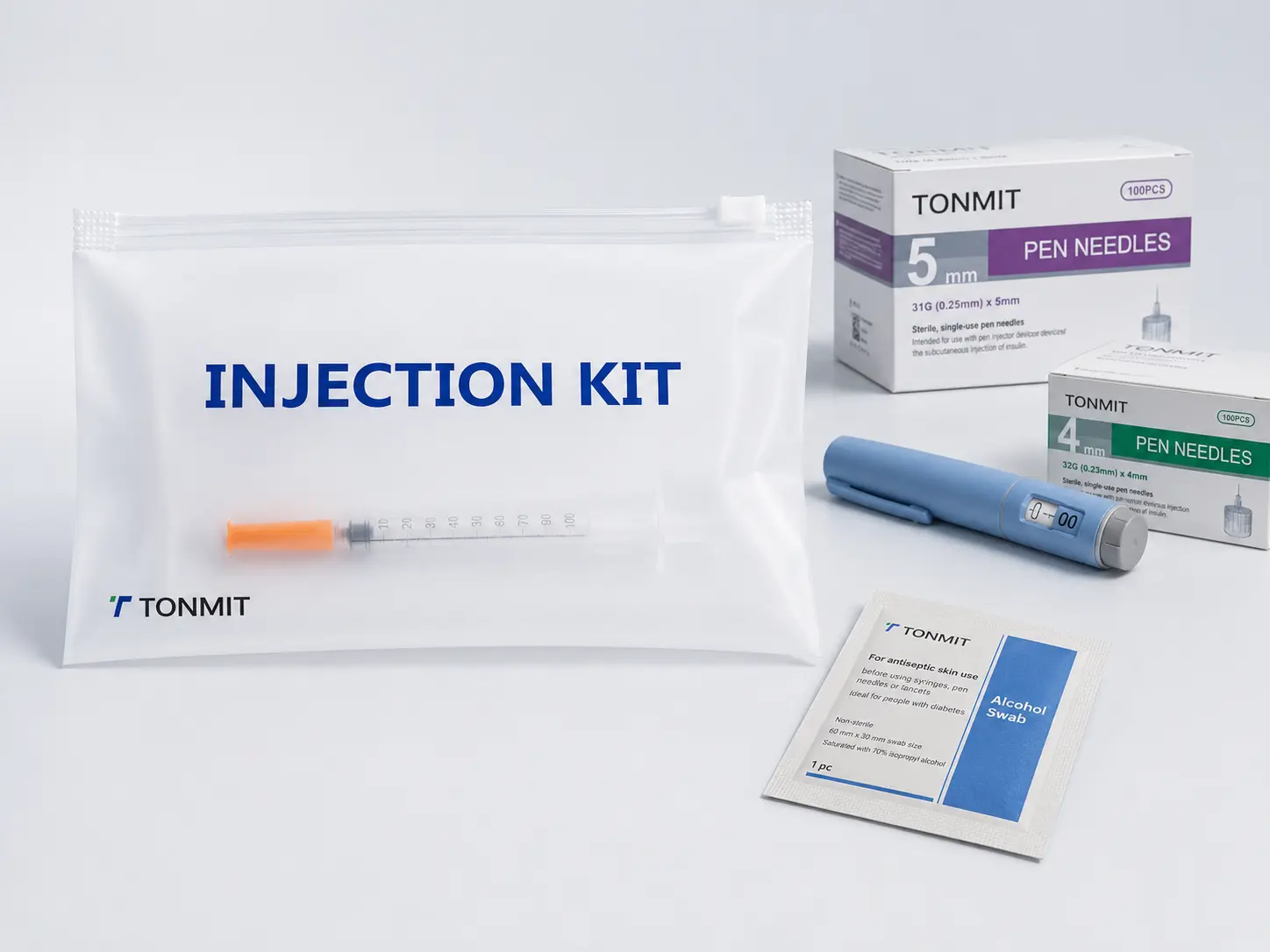
TonmiCare medical kit packaging sample with carton, tray, label and insert options
Representative packaging sample. It is not presented as an anonymous customer case study. Customer-specific records should be shown only when a real project exists and disclosure is permitted.
Evidence boundary. A template, sample image or single completed project does not prove that the same BOM, component availability, MOQ, lead time, shelf life, packaging structure or delivery result applies to another project. Transaction-specific details remain subject to RFQ and project approval.
PROJECT RESPONSIBILITY BOUNDARIES

Define Who Approves, Coordinates and Controls Each Part

Responsibilities can change with the target market, component type, private-label structure and contractual arrangement. The project brief should document the applicable split before final approval.

BUYER / PROGRAM OWNER

Provides and Approves

  • Delivery-system or program requirement
  • Required kit scope and target market
  • Buyer-specific branding requirements
  • Final artwork and packaging approval
  • Required documentation and acceptance criteria
  • Approved substitutions and commercial priorities
TONMIT

Coordinates the Kit Project

  • Component and SKU review
  • BOM development and reconciliation
  • Packaging and label coordination
  • Assembly / pack-out planning
  • Available documentation collection
  • Supply, fulfillment and replenishment planning
COMPONENT RESPONSIBLE FIRM

Controls Product-Level Records

  • Manufacturer / responsible-firm identity
  • Product specification and labeling claims
  • Applicable quality and regulatory records
  • Product-specific change information
  • Applicable lot or manufacturing records
  • Other product-level responsibilities defined by the supply structure

Final responsibilities must be confirmed for the selected product, private-label structure, target market and contract. This page does not assign legal or regulatory responsibility for every possible project.

COMMERCIAL PLANNING

Confirm MOQ and Lead Time After the BOM Is Defined

A custom kit does not have one universal MOQ or production lead time. Commercial terms depend on the approved components, component availability, printed packaging, artwork, assembly quantity, destination and fulfillment route.

Component MOQPrinted Packaging MOQAssembly QuantityArtwork ApprovalInventory RouteDestination
TYPICAL INITIAL RESPONSE1–2 Business Days

For initial project review only; quotation, assembly and delivery timing depend on scope.

KIT MOQConfirm by RFQ

Depends on component and packaging requirements.

PROJECT LEAD TIMEConfirm After Scope Review

Depends on BOM, artwork, materials, assembly and supply route.

B2B KIT SUPPLY SUPPORT

Support Around the Approved Kit Configuration

Connect the controlled BOM with packaging, component-level documentation, applicable U.S. inventory review and repeat supply planning without treating category-level availability as kit-level stock.

01

Component & Document Review

Review specifications, labels, pack hierarchy and applicable records for each selected component instead of applying one document set to the whole kit.

Documentation Support →
02

Custom Packaging

Review box, tray, pouch, insert, artwork and label options after the component BOM and pack quantities are approved.

Packaging Support →
03

U.S. Fulfillment Review

Selected component inventory can be reviewed by exact SKU, pack quantity, lot information, remaining shelf life and destination. Finished custom-kit stock should not be assumed.

Fulfillment Support →
04

Broader GLP-1 Supply Program

If the requirement includes individual ancillary supplies in addition to assembled kits, use the broader GLP-1 injection-support supply hub for program-level sourcing.

Review GLP-1 Supply Program →
BUYER RESOURCE

Diabetes Injection Supplies Checklist for Pharmacies & Clinics

Review delivery-system differences, pen-needle and syringe controls, prep pads, sharps disposal, packaging, supplier evidence and RFQ fields before converting a supply list into a controlled kit.

Read Procurement Guide
CUSTOM KIT BUYER FAQ

Injection Kit Assembly & RFQ Questions

Common B2B questions about scope, BOM control, packaging, assembly, private label, U.S. inventory, commercial terms and project intake.

What can be included in a custom injection-support kit?

Depending on the approved project scope, a kit may include selected pen needles or syringes when required by the delivery system, alcohol prep pads, optional bandage or adhesive items, sharps disposal products, instruction material and custom packaging. The final BOM should identify every exact SKU and quantity.

Do all GLP-1 injection devices require a separate pen needle?

No universal assumption should be made. Some delivery systems use a separate compatible needle, while other injector presentations use an integrated needle or another supply workflow. Confirm the exact presentation and current instructions before adding needles or syringes to the BOM.

Are GLP-1 medications automatically included in these kits?

No. This page is structured around injection-support components and kit assembly. Prescription medication or drug product is not treated as a default kit component. Medication-related sourcing should be scoped separately with the applicable requirements.

Can packaging be customized or private labeled?

Eligible projects can be reviewed for box, tray, insert, pouch, artwork and labeling customization. Feasibility depends on the approved component BOM, target market, order volume and applicable product-label requirements.

Is there a standard MOQ or lead time for custom kits?

No universal figure is published because the requirement depends on component MOQ, printed packaging, artwork approval, assembly quantity, inventory route and destination. Final MOQ and lead time are confirmed after the BOM and project scope are reviewed.

Can Tonmit support U.S. warehouse fulfillment for custom kits?

Selected components may be supported through U.S. inventory and domestic fulfillment, but availability is SKU-specific. A finished custom kit should not be treated as U.S. stock unless the exact approved kit configuration and available inventory have been confirmed for the transaction.

What should be included in a custom kit RFQ?

Provide the delivery-system context, required components, units per kit, expected project volume, packaging format, private-label needs, target market, destination, documentation list, desired delivery window and substitution rules.

What happens after the RFQ is submitted?

Tonmit first reviews the project scope and identifies missing BOM, packaging or commercial inputs. Feasible component and supply paths can then be reviewed before final pricing, MOQ and lead time are confirmed. Initial inquiry responses are typically provided within 1–2 business days; project quotation timing depends on scope.

CUSTOM KIT ASSEMBLY RFQ

Send the Inputs Needed for a Kit-Specific Review

Providing the fields below reduces back-and-forth and helps the team determine the correct BOM, packaging path and commercial review. Include these details in the RFQ requirements field when submitting the inquiry.

Delivery system / presentationRequired componentsUnits per kitEstimated project volumePackaging formatPrivate label requirementTarget market / destinationRequired documentationTarget delivery window
WHAT HAPPENS NEXT
  1. Scope and required inputs are reviewed.
  2. Missing BOM or packaging information is identified.
  3. Feasible component, assembly and supply paths are reviewed.
  4. Pricing, MOQ and lead time are confirmed after scope review.
Typical initial response1–2 business days for initial project review
Request a Custom Kit Review